The Allure of the Unknown: Why Mystery Matters in Dining
Mystery has long captivated human curiosity, and in the context of dining, it serves as a powerful psychological tool that enhances the overall experience. The element of surprise elicits an emotional response, sparking feelings of excitement and anticipation as diners engage with the unknown aspects of their meal. Whether through enigmatic menu descriptions, unexpected flavor combinations, or the sheer secrecy surrounding a chef’s specialties, restaurants increasingly understand the importance of mystery in crafting memorable experiences.
One of the fundamental reasons why mystery matters in dining lies in its ability to heighten anticipation. As guests embark on a culinary journey, the uncertainty about what they will taste or how they will be served creates an engaging atmosphere. Fine dining establishments, for instance, often incorporate surprise dishes or tasting menus where the courses are revealed one by one. This approach not only stimulates the palate but also invites diners to form deeper connections with the meal’s narrative, making every bite an exploration.
Furthermore, the incorporation of mystery into dining can manifest through themed experiences or immersive settings. For example, restaurants themed around a mystery or story, such as a detective dinner or a historical reenactment, invite guests to become part of the narrative. Each dish is not merely food but a piece of a larger puzzle, keeping guests invested not only in what they are eating but also in the overall dining journey. This blending of culinary art with storytelling transforms a simple meal into an engaging experience that resonates on multiple levels.
In conclusion, the allure of the unknown in dining fosters a sense of engagement that is both thrilling and meaningful. By strategically leveraging mystery, restaurants can create not just meals, but cherished memories, ultimately enhancing the enjoyment of their guests.
Creating a Narrative: The Role of Storytelling in Dining
Storytelling has long been an intrinsic part of cultures worldwide, serving as a means to convey history, values, and community narratives. In the context of dining, it transcends a mere culinary experience, transforming meals into a rich tapestry of stories. Chefs and restaurateurs increasingly harness the power of narrative to create an intimate connection between the diners and their meals. This unique approach elevates the dining experience, making it not only about the food but also about the journey it represents.
Every dish served in a restaurant carries an unspoken narrative—a tale of its origin, the ingredients used, and the method of preparation. For instance, a farm-to-table restaurant may present diners with the story of the local farm from which their vegetables were sourced. By recounting the challenges faced in cultivating these ingredients, chefs can deepen the connection diners feel toward their meals, allowing them to appreciate the care and effort involved in the food preparation process.
Moreover, themed restaurants often fully embrace storytelling, encouraging immersive experiences. In such environments, dining becomes an adventure. Establishments themed around particular historical periods or fictional narratives utilize decor, attire, and even interactive elements to enhance the overall experience. For example, a Harry Potter-themed restaurant might recreate the magical atmosphere of Hogwarts, complete with dishes inspired by the stories from J.K. Rowling’s novels. Guests not only enjoy their meals but also become participants in the narrative, deepening their emotional investment.
Overall, the integration of storytelling in dining encourages diners to engage with their food on multiple levels, transforming a simple meal into an enriching experience imbued with meaning and connection. Through well-crafted narratives, restaurants can leave lasting impressions, fostering a sense of community and shared appreciation among diners.
The Power of Design: Setting the Scene for a Mysterious Meal
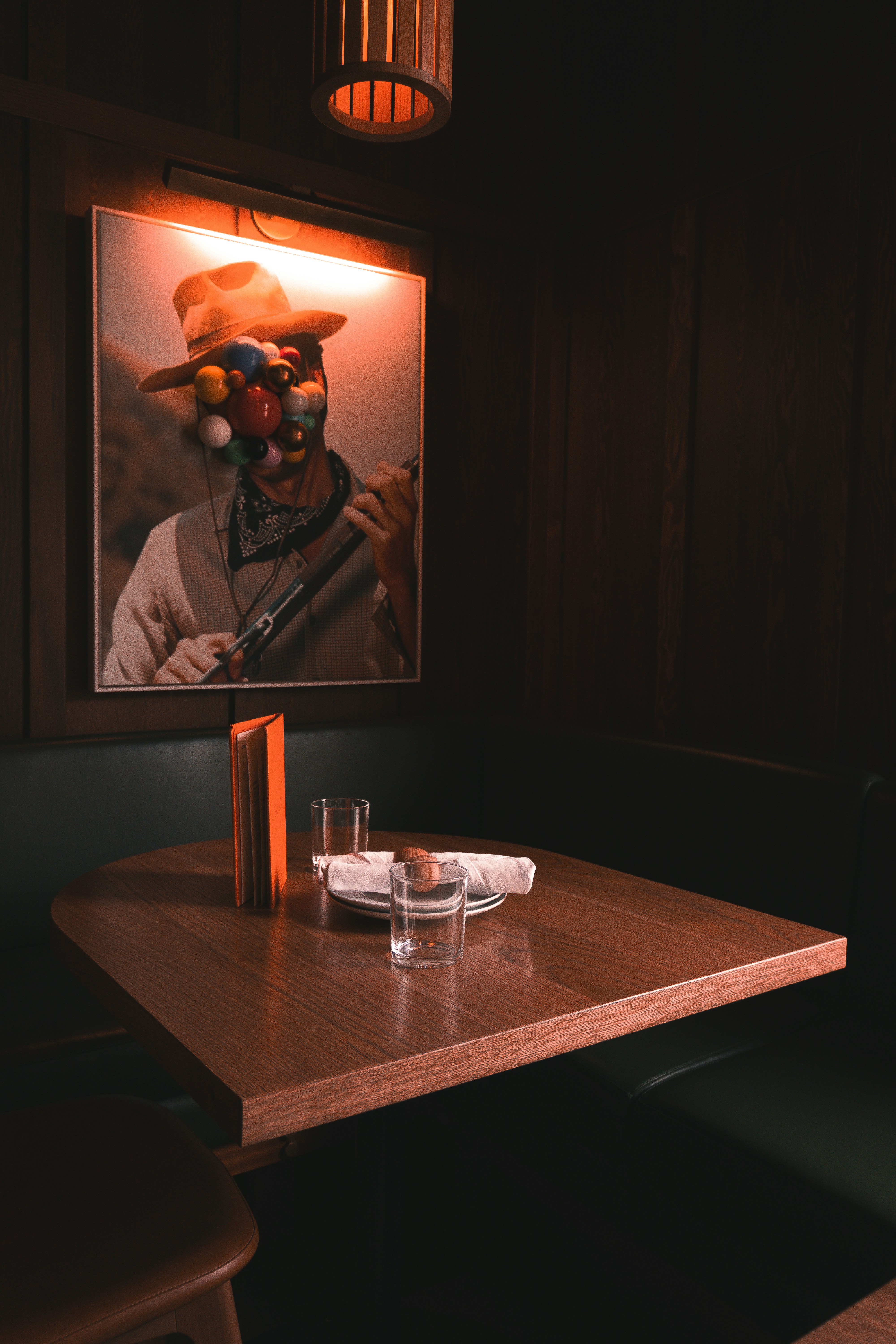
The design and ambiance of a dining space play a crucial role in crafting a mysterious meal experience. They are instrumental in heightening curiosity, engaging the senses, and fostering a sense of intrigue. Restaurants often utilize specific design elements that provoke wonder and create a narrative around the dining experience, making meals more memorable and impactful.
Lighting is a fundamental aspect of setting the mood in any dining establishment. Dim, strategically placed lighting can evoke a sense of secrecy and allure, prompting diners to embrace the unknown. For instance, low-hanging pendant lights or flickering candles can create soft shadows, transforming familiar table settings into ethereal environments. Moreover, incorporating color-changing lights can enhance the mystery factor, as different colors evoke varying emotional responses and set diverse tones throughout the dining experience.
In addition to lighting, the choice of decor is pivotal in establishing a sense of mystery. Unique artworks, vintage objects, or enigmatic symbols can serve as conversation starters, encouraging diners to immerse themselves in the restaurant’s theme. Thematic decor that aligns with a particular story or concept can deepen the connection between the diner and their meal, making the entire experience more immersive. For example, a restaurant designed with a hidden speakeasy motif may utilize retro furniture and hidden entrances to transport patrons to another era.
Furthermore, the layout of the dining space also contributes to the overall atmosphere. An unconventional arrangement, such as staggered seating or hidden nooks, encourages exploration and intrigue, prompting guests to uncover the hidden gems within the restaurant. This spatial uncertainty can turn a simple meal into a captivating journey, where each corner reveals new surprises. Ultimately, the artful integration of these design elements allows restaurants to amplify the allure of dining, transforming each meal into a meaningful experience steeped in mystery.
Engaging All Senses: The Experience of Mystery Beyond Taste
Dining is traditionally viewed as an experience centered on taste; however, integrating an element of mystery can transform it into a multisensory journey. This approach emphasizes how various senses interact and contribute to the overall dining experience, compelling patrons to immerse themselves beyond mere flavor.
To engage sight, consider unique presentations that challenge conventional dining aesthetics. A meal might be served in unusual containers or with unexpected color combinations, prompting diners to engage visually before they even take a bite. Artists and chefs alike often utilize striking presentations to intrigue diners, making the visual appeal a crucial part of their culinary creations.
Sound plays a vital role too. The ambiance of a restaurant, enriched by carefully curated soundscapes, can elicit emotions and expectations for the meal. For instance, the gentle clinking of utensils or the soft murmur of water can complement a tranquil dining atmosphere, enhancing the overall sensory experience. Furthermore, interactive dining formats can incorporate sounds that engage guests, such as live cooking stations where sizzling dishes captivate the ears.
Smell is another powerful sense that can deepen the mysterious allure of dining. A blindfolded meal allows participants to rely on their sense of smell, identifying various ingredients and flavors without the influence of sight. Such experiences can provoke discussions about aroma and its impact on taste perception, underscoring the importance of scent in meal enjoyment.
Finally, touch can enrich the overall experience significantly. Diners can be encouraged to feel the texture of various ingredients through dishes designed for interactive participation, fostering a sense of connection with the food. For example, tactile engagement while assembling a dish can enhance appreciation for the cooking process.
Through the integration of sight, sound, smell, and touch, dining experiences infused with mystery transcend traditional practices, encouraging patrons to fully engage their senses. This holistic approach to dining not only elevates the meal but also creates lasting memories, reshaping how we perceive the act of dining itself.